








Where do Rare Eye Colours Come From?
Reviewed by
Beck Jinnette
Eye colour is a unique and captivating aspect of human appearance, with its variety rooted in genetics and pigmentation.
While brown eyes are the most common eye colour, accounting for about 79% of the population, green eyes are uncommon and seen in only 2% of people worldwide. That said, we’ve all seen people with dark brown, blue and hazel eyes in our day to day lives.
What we’re less likely to have seen are the shades that go beyond the typical spectrum. From amber to violet, rare eye colours intrigue us with their beauty and mystery and spark questions about their origins and the science behind them.
What determines eye colour?
Eye colour is determined by the pigmentation of the iris and the way light interacts with it. This process is primarily influenced by two factors: melanin and genetics.
Melanin
The amount of melanin in the iris is responsible for determining the depth of the eye’s colour. Specific types of melanin lead to specific hues.
For example, black-brown pigment melanin leads to darker eyes like brown eyes, while lower melanin levels lead to lighter eyes, such as blue or grey.
The way melanin is distributed also plays a role. Varying melanin levels through the iris can produce a spectrum of colours, such as hazel or amber.
Genetics
Have you ever noticed children tend to have the same eyes as their parents? Not surprisingly, eye colour is also highly influenced by genetics.
That said, it’s not as simple as it appears, and having two blue eyed parents doesn’t necessarily mean you’ll have blue eyes.
Eye colour is a polygenic trait, meaning multiple genes contribute to its development. Specific gene combinations inherited from parents control melanin production and distribution.
Interestingly, this genetic interplay can produce rare and unique shades, mainly when recessive genes come into play.
Rarest eye colours and their causes
Violet and red
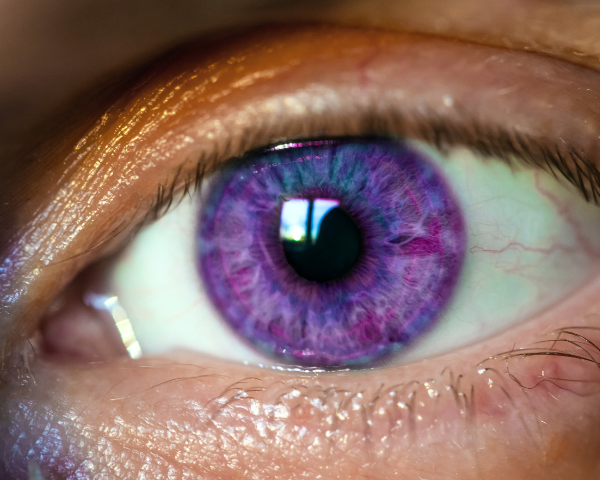
These eye colours are incredibly rare. Instead of being caused by pigmentation, they occur due to the way light scatters.
Red eyes are often found in individuals with albinism, where a lack of melanin leads blood vessels to show through the iris.
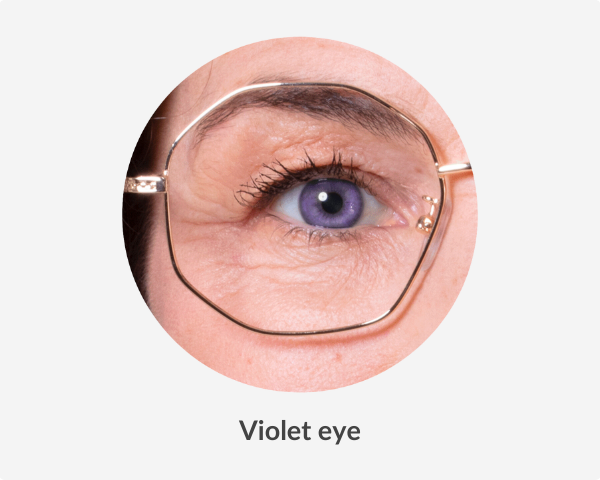
Violet eyes, in turn, are an optical illusion that results from the combination of red light being reflected and blue light scattering.
Rarity
Violet and red irises are extremely rare, with less than 1% of the population having these colours.
Green
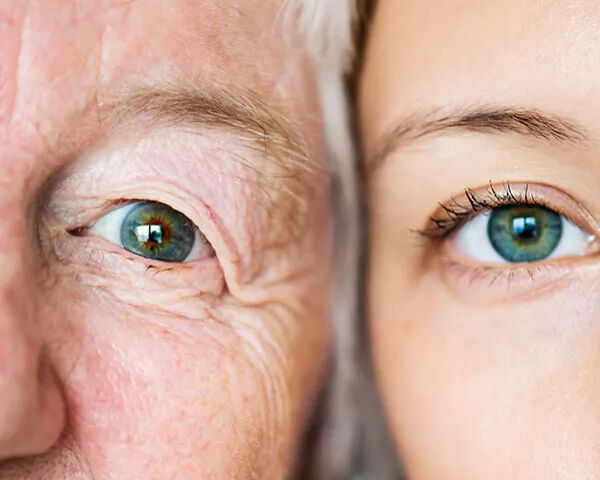
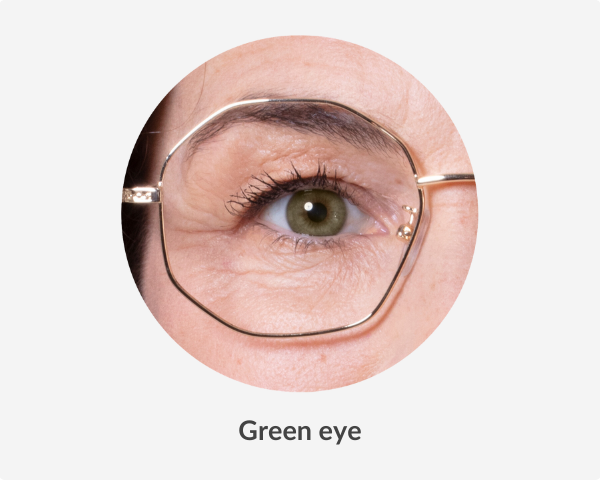
Green eyes result from a combination of low melanin levels and a yellowish pigment called lipochrome.
Unlike the previous rare eye colours, green eyes aren’t caused by medical conditions but through unique genetic combinations that result in a low concentration of melanin.
Rarity
Green is the rarest “common” eye colour, found in only about 2% of the population. It is predominantly found in individuals of European descent.
Grey
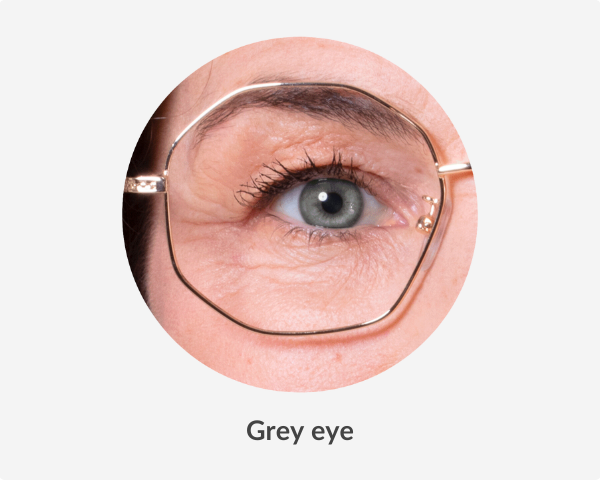
Often mistaken for blue eyes, grey eyes are light in colour and can shift tone depending on the lighting and surroundings. They often present with flecks of gold.
They are caused by low levels of melanin and a uniform lack of pigmentation in the iris stroma, which leads to their distinctive silvery appearance.
Rarity
Grey eyes are considered a very rare eye colour and are only seen in roughly 3% of the world’s population. They are most commonly found in Northern and Eastern Europe.
Amber
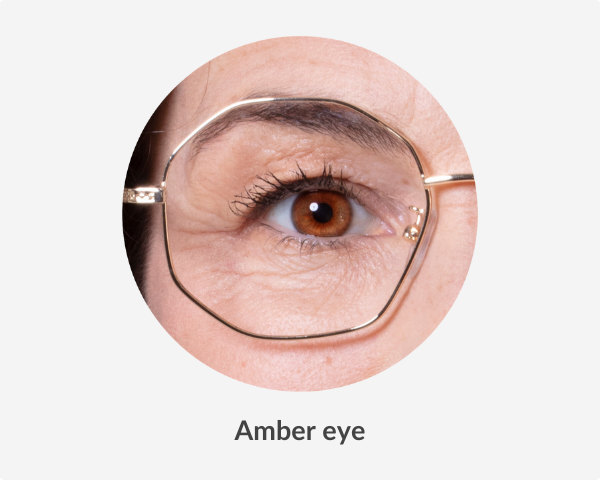
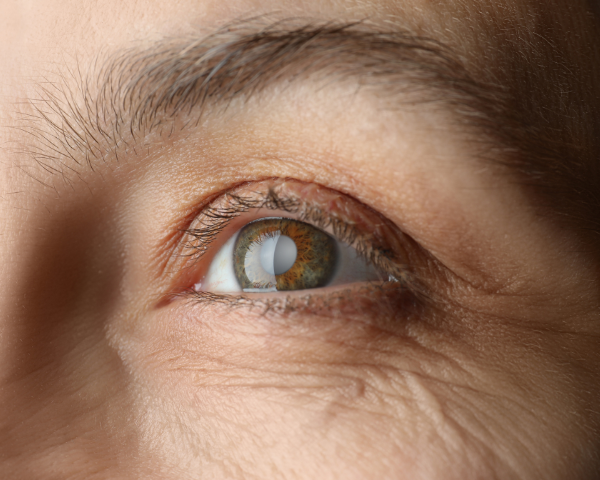
Amber eyes are characterised by their striking, warm, golden and coppery hues. They result from high levels of lipochrome pigment, which produces a yellowish and brown tone.
This colour stands out due to its distinctive glow.
Rarity
Amber eyes are found in less than 5% of the population, with higher prevalence in people of Asian, South American, and Spanish heritage.
Interestingly, they are more commonly found in animals than humans.
Rare conditions that affect eye colour
Heterochromia
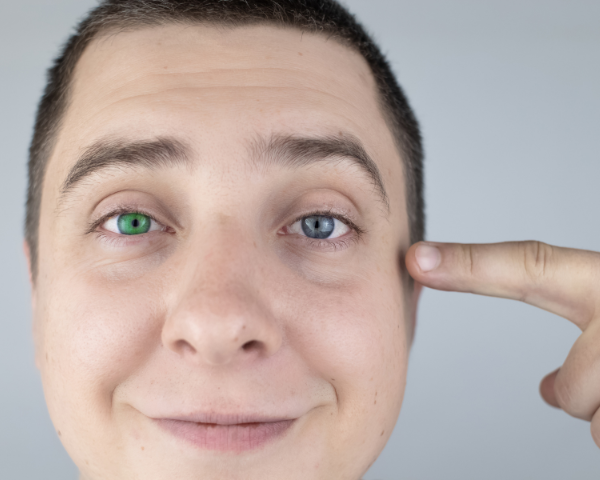
This condition causes one iris to have a different colour from the other or a single iris to have multiple colours. For instance, a person with heterochromia could have one brown eye and one blue eye.
While some people are born with it, heterochromia can also occur due to an injury or medical condition. It affects about 1 in 200 people worldwide.
DID YOU KNOW?
Heterochromia is rare in humans but relatively common in animals, especially in certain dog breeds (like Siberian Huskies) and cats.
Albinism
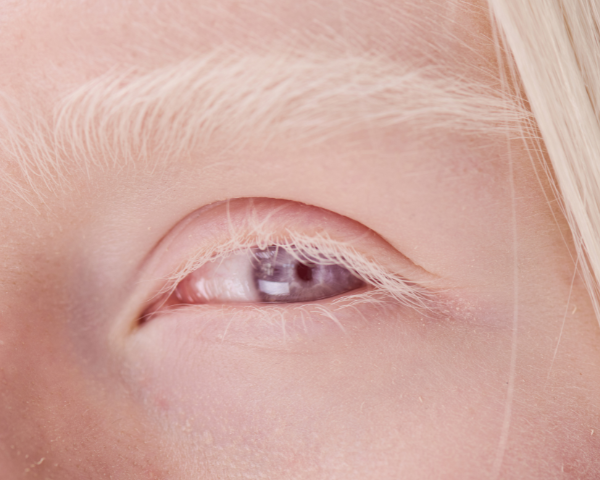
Albinism is a condition characterised by a significant reduction of melanin production in the skin, hair and eyes. In some cases, it only impacts the eyes, which is called ocular albinism.
Individuals with this condition can have very light blue, violet, or red eyes. This affects about 1 in 20,000 people globally.
Arcus Senilis
Technically, this condition doesn’t change the iris colour directly but instead creates a grey, white, or blue ring around the cornea, causing the person’s eye colour eye to look grey/white.
This crescent ring is made of lipid deposits that curve around the edges of the cornea, sometimes extending all around it. Aside from aesthetics, this condition doesn’t cause vision problems.
Arcus senilis is highly common in older people. It affects about 20-35% of people aged 50 and above.
Cataracts
This eye condition causes the lenses of the eyes to have a milky or opaque appearance, making them look cloudy and white.
Some of the symptoms include blurry vision, faded colours, double vision and sensitivity to bright lights. Symptoms tend to only appear in those aged 60 and above.
Globally, 17% of people have cataracts that affect their vision. They are most common in those who are older, as the proteins in the lenses of the eyes start to naturally deteriorate after the age of 40.
As cataracts are quite common, it’s good to get frequent checkups with your eye doctor as you age. Cataracts are easily treatable and an eye health professional will know what treatment option is best for you.
The mystery behind rare eyes
Eye colours have long been an object of interest, and the rarer ones are both fascinating and a good reflection of the complexity of genetics and biology.
But remember, regardless of whether they’re a more common hue or one of the rarest, every eye colour is unique and tells its own story.
And feel free to reach out to optical dispenser if you’d like to know more about eye anatomy or genetics, they’re here to help.
Related articles