








Ask our optical dispensers

Ask Now

What Are Multifocal Lenses?

By Melissa Licari
Reviewed by Maria Horan FBDO

Maria Horan FBDO

Reviewed by

Maria Horan FBDO
Maria holds a BSc Honours in Ophthalmic Dispensing and has over 17 years of optical experience.
Not sure if multifocal lenses are what you need? Here's the short answer, plus all the key details to help you decide.

Overview

  • Multifocal lenses correct near, intermediate and distance vision in one pair of glasses

  • They’re designed for people with multiple prescriptions, especially those with presbyopia

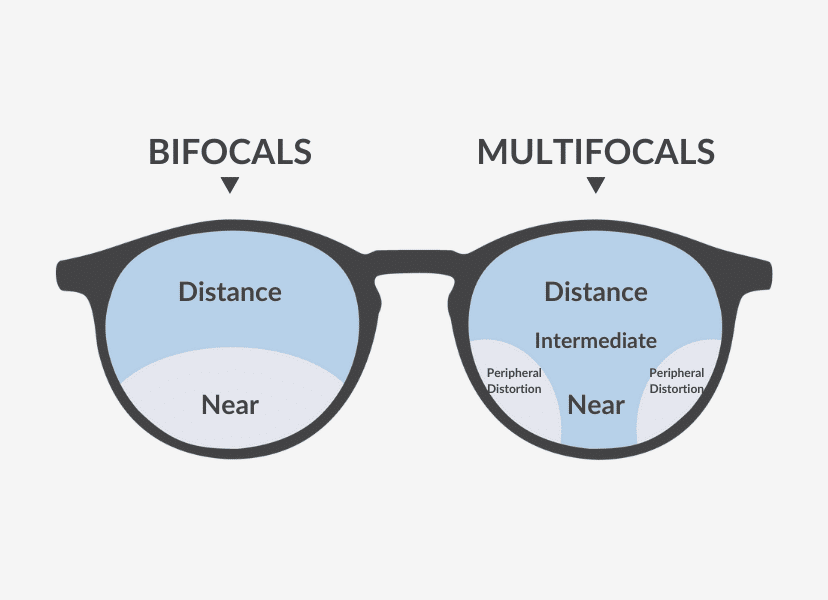
  • Unlike bifocals, they have no visible lines and offer a smooth visual experience

  • Ideal if you want to stop switching between reading glasses and regular glasses

EXPERT'S TIP!

“If you’re over 40 and starting to struggle with close-up tasks, like reading your phone, multifocal lenses are likely the right next step. They make everyday life easier without the inconvenience of swapping glasses.“

Maria Horan, Dispensing Optician

Multifocal lenses vs bifocals

Multifocal lenses offer a more natural and modern solution than bifocals. They let you move between tasks like reading, working on a laptop and driving, without switching glasses or dealing with image jumps.

Which multifocal lens is right for you?

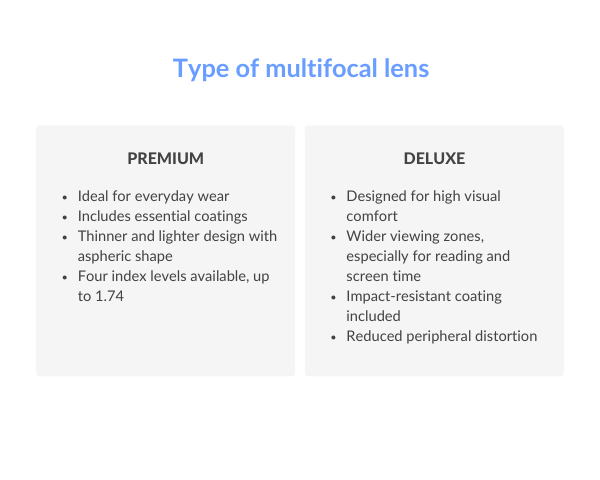
If you spend long hours at a screen or need sharper near vision, the Deluxe range offers noticeable benefits.

Our Premium multifocal lenses are a reliable everyday option, offering comfort with scratch-resistant and anti-reflective coatings.

How do multifocal lenses work?

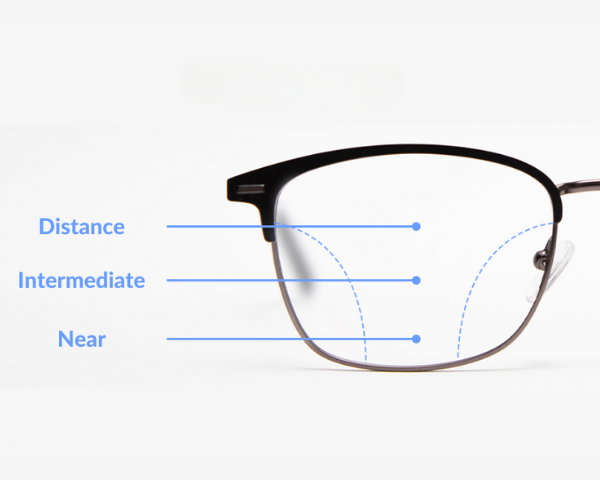
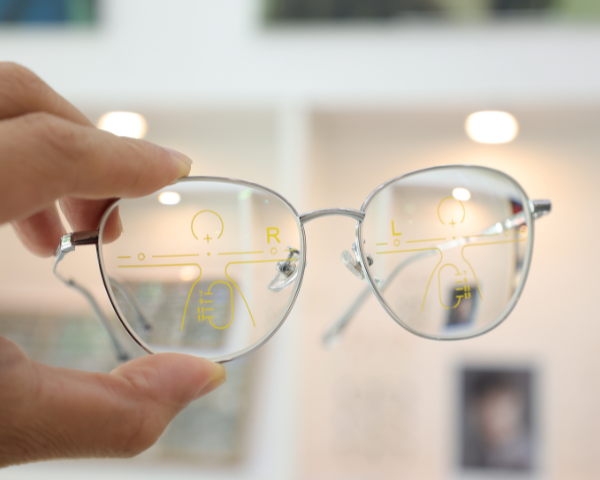
Each part of the lens supports a different viewing distance:

  • Top zone: distance vision (e.g., driving or walking)

  • Middle zone: intermediate vision (e.g., computer work)

  • Bottom zone: near vision (e.g., reading or using a phone)

These zones transition smoothly into one another, allowing you to focus across all distances without switching glasses.

Do you need multifocal lenses?

Multifocals are often recommended if:

  • You have presbyopia or trouble focusing on close-up objects

  • You already wear glasses for distance, but now you also need glasses for reading

  • You want one pair of glasses for all activities
  • You experience eye strain when shifting focus between distances

An eye exam will confirm if multifocal lenses are the right choice for you. Most people over 40 benefit from them, especially as near vision naturally declines with age.

Getting used to multifocal lenses

Adjusting to multifocal lenses takes time, but it’s manageable with a few simple habits:

  • Move your head (not just your eyes) when changing focus

  • Look down with your eyes (not your head) when reading

  • Look straight ahead for distance tasks like using a screen

  • Stick to your multifocals during the adjustment period (avoid switching back to your old glasses)

  • Give it a week or two, most people adapt quickly

If things still feel off after two weeks, speak to your optician. A small adjustment to the fit, style or prescription may help.

Still unsure?

Multifocal lenses are a long-term solution for people who want to see clearly at every distance without juggling multiple pairs of glasses. They offer convenience, comfort and clarity, all in one lens.

Speak to one of our certified optical experts for personalised advice and care.

Related articles

Multifocal Lens Sunglasses
A quick guide to multifocal sunglasses and how to choose the right pair.
View more
Are Multifocal Lenses Right for You?
Learn what multifocal lenses are, how they work and who they're best suited for.
View more

Related articles

Multifocal Lens Sunglasses
A quick guide to multifocal sunglasses and how to choose the right pair.
View more
Are Multifocal Lenses Right for You?
Learn what multifocal lenses are, how they work and who they're best suited for.
View more

Leave a comment

Your email address will not be published. Required fields are marked *